
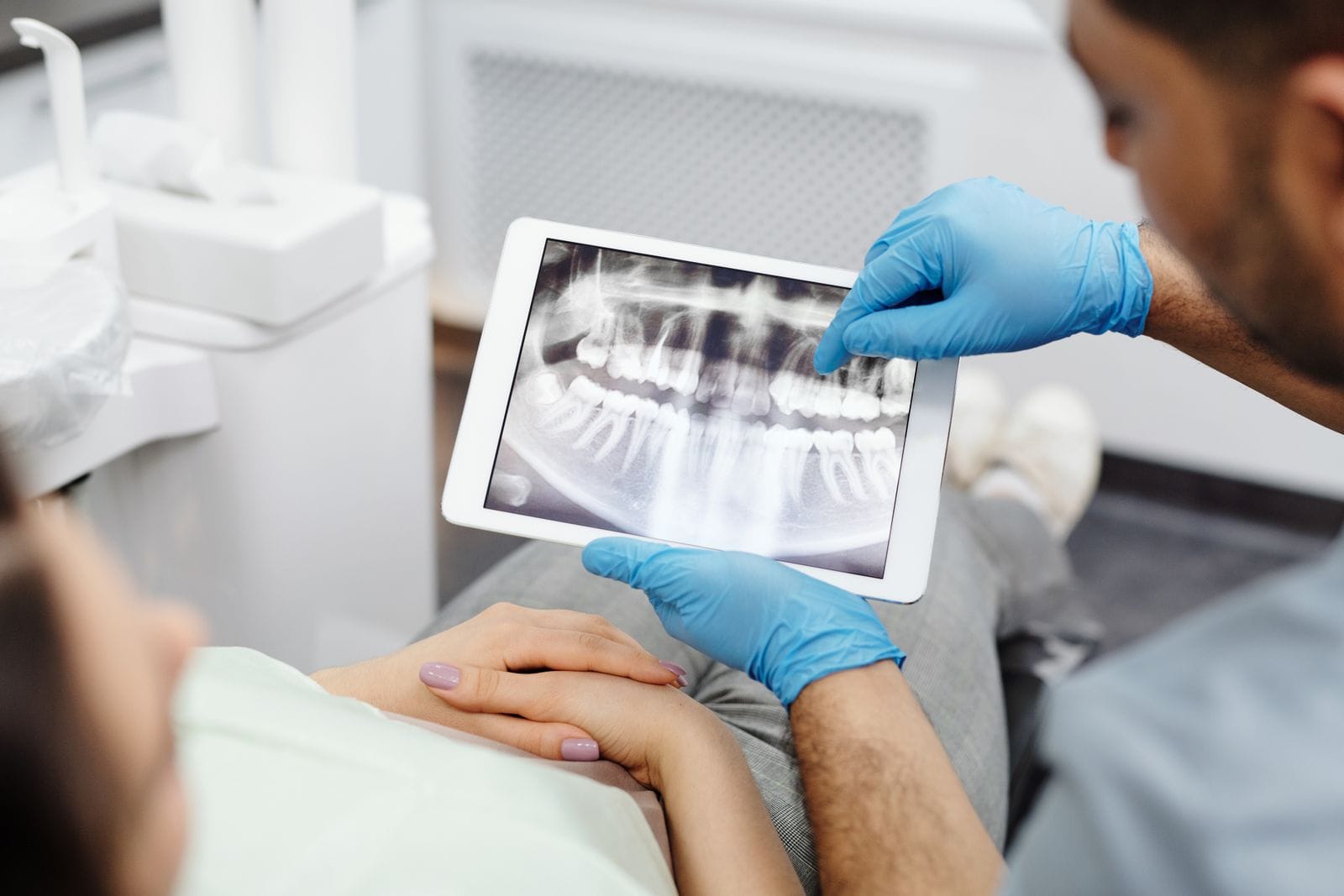
Many of us only think about the dentist when a tooth starts to hurt. By then, a small problem may already have grown. A regular check-up gives your dentist a chance to catch trouble while it's still simple to treat.
Is every six months right for everyone?
Six months is a helpful guide for many adults and children, but it isn't a fixed rule. Your dentist will suggest a gap based on your own risk of tooth decay and gum disease.
You may need more frequent visits if you:
- Have had gum disease
- Get cavities often
- Smoke or use tobacco
- Have diabetes
- Are pregnant
- Wear braces or have implants
If your teeth and gums stay healthy, your dentist may be comfortable with a longer gap.
What happens at a check-up?
A check-up is usually quick and straightforward. Your dentist will:
- Ask about any problems and changes in your health
- Examine your teeth, gums, tongue and the soft tissue in your mouth
- Take X-rays if they're needed
- Tell you about anything that needs treatment
- Advise you on cleaning your teeth at home
Why go if nothing hurts?
Early tooth decay and gum disease often cause no pain at all. By the time you feel something, the problem may need more treatment. A filling for a small cavity is far simpler than a root canal for an infected tooth.
Regular visits also build a record of your dental health, which makes it easier to notice changes over time.
When not to wait
Don't wait for your next check-up if you have toothache, swelling, bleeding gums, a broken tooth, or a mouth ulcer that lasts more than two weeks.
If you're due for a check-up, book an appointment or send us a WhatsApp message.
This article is general information and isn't medical advice. Please see your dentist about your own teeth.
Back to all articles