A good first visit can shape how your child feels about the dentist for years to come. It doesn't need to be a big event. In fact, the calmer and simpler it feels, the better.
When should you book it?
Plan your child's first visit when the first tooth appears, or by their first birthday. An early visit is usually just a short check, and it helps your child get used to the clinic before any treatment is needed.
What happens during the visit?
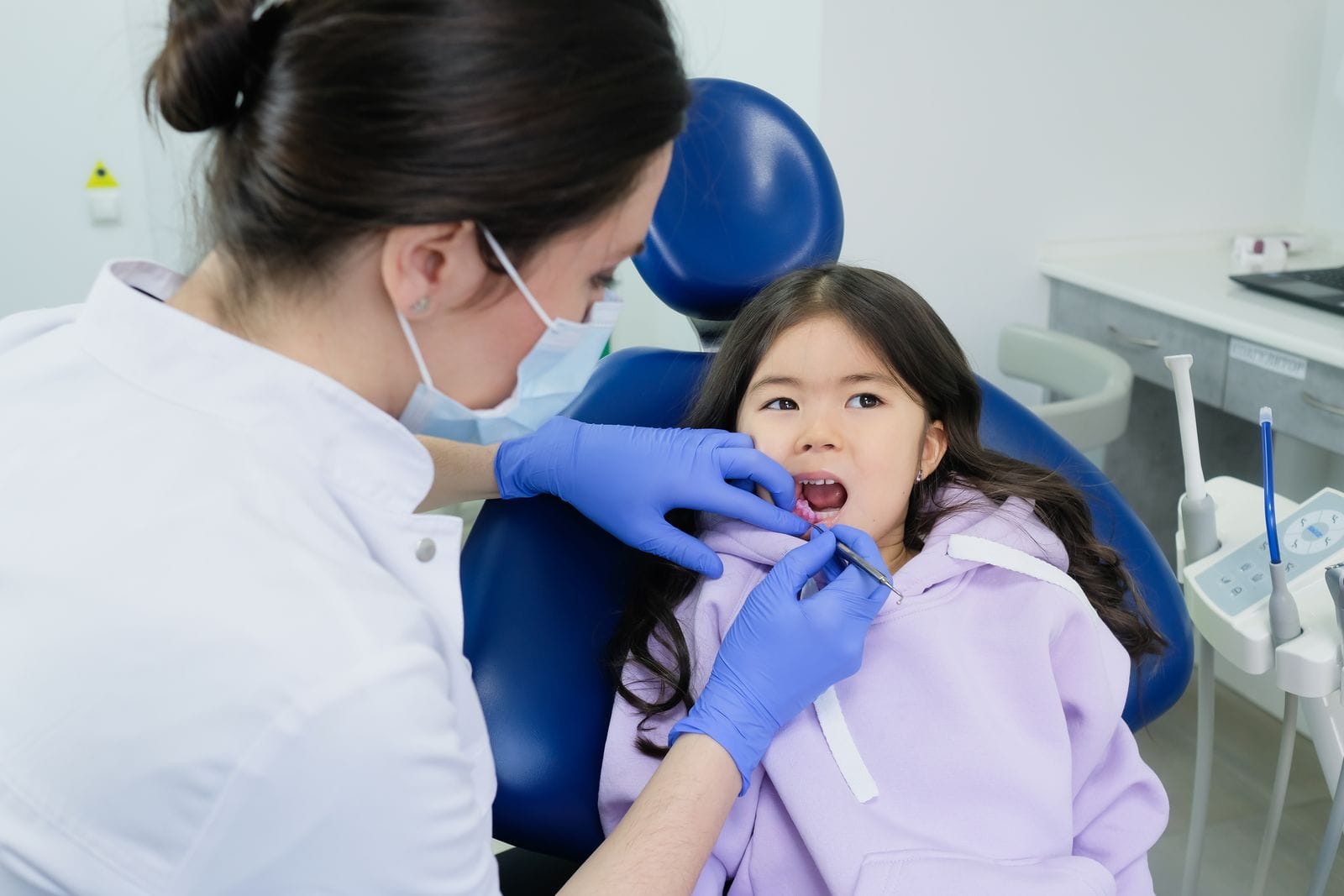
Every child is different, and we go at their pace. A first visit usually includes:
- A chance to look around and meet the dentist
- A gentle check of the teeth, gums and bite
- Advice for parents on brushing, food and habits
- Answers to any questions you have
Very young children can often sit on a parent's lap during the check.
How to prepare your child
- Talk about the visit in a calm, cheerful way
- Choose a time when your child is rested and fed
- Read a story or play at counting teeth at home
- Avoid words like "hurt", "pain" or "injection"
- Try not to pass on any nervousness you feel yourself
Looking after little teeth at home
Start brushing as soon as the first tooth comes through. Use a soft brush and a smear of fluoride toothpaste the size of a grain of rice. From three years of age, use a pea-sized amount.
Keep sugary snacks and drinks to mealtimes, and don't put your child to bed with a bottle of milk or juice.
Why milk teeth matter
Milk teeth help your child chew and speak, and they hold space for the adult teeth. Decay in a milk tooth can cause pain and may affect how the adult teeth come through.
Find out more about dental care for children, or book your child's first visit.
This article is general information and isn't medical advice. Please see your dentist about your own teeth.
Back to all articles