Oral and Maxillofacial Surgery explained
Oral and maxillofacial surgery treats conditions of the mouth, jaws and face. This can include difficult wisdom teeth, cysts in the jaw and certain injuries.
We start by examining you and working out what's needed. More complex cases can require an oral and maxillofacial surgeon, and we'll explain clearly who will treat you and where.
Benefits
- Treats problems that need surgical care
- Relieves pain and pressure from impacted teeth
- Removes cysts and other growths for assessment
- Helps restore function after injury
When it may help
- Impacted or badly positioned wisdom teeth
- Swelling or a lump in the jaw
- A jaw or facial injury
- Your dentist has recommended a surgical opinion
What happens during treatment
- 1
Examine and scan
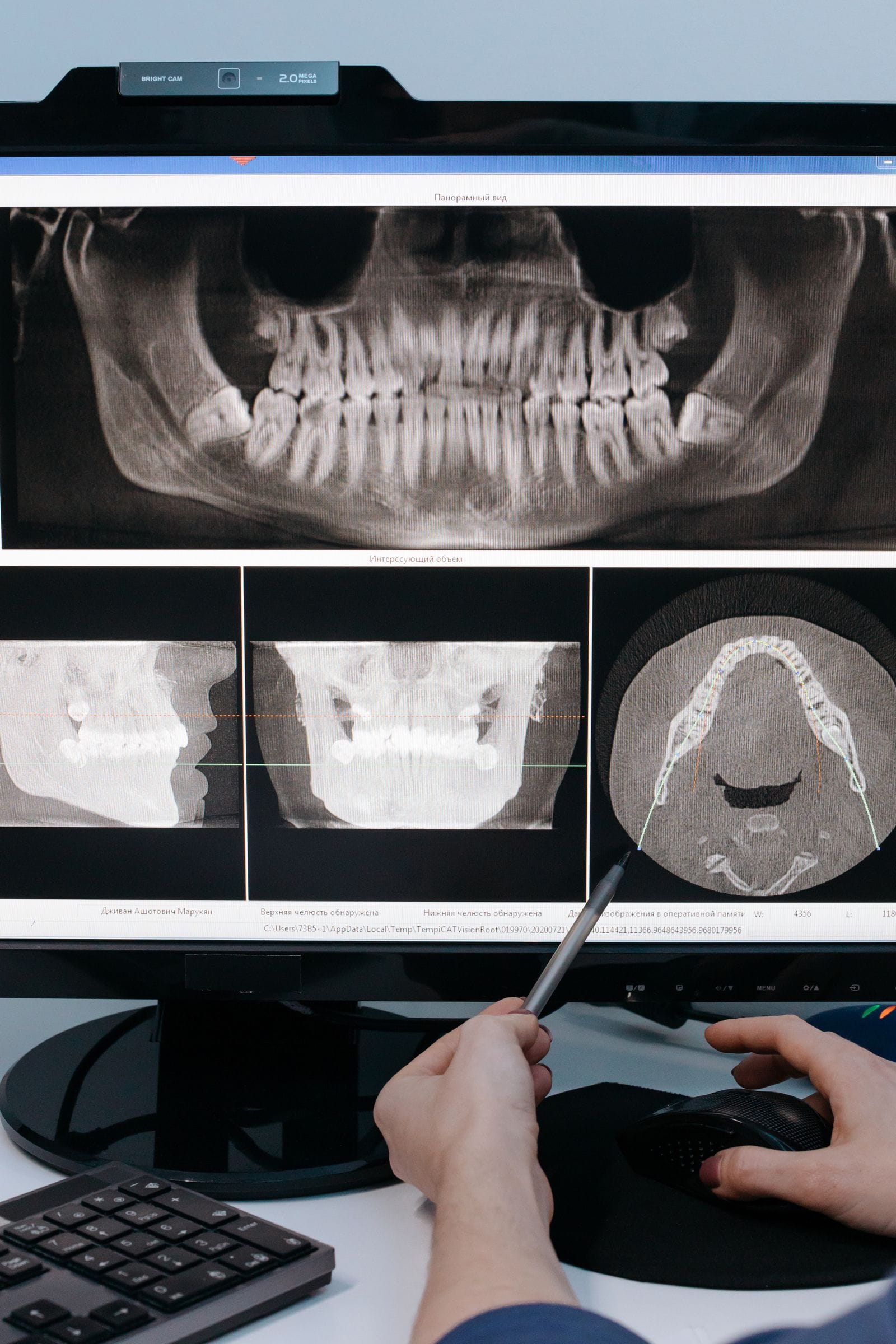
We examine you and arrange the X-rays or scans needed for a diagnosis.
- 2
Plan
We explain what's recommended, the risks and how to prepare.
- 3
Surgery
The procedure is done under anaesthesia suited to your case.
- 4
Follow-up
We check your healing and tell you what to do at home.
Will it hurt?
You'll have anaesthesia suited to your procedure, so you shouldn't feel pain during surgery. Swelling and soreness are common afterwards. You'll be told how to manage them.
After your treatment
- Follow the food, cleaning and medicine instructions you're given
- Rest for as long as your dentist or surgeon advises
- Contact the clinic if you have heavy bleeding, fever or worsening swelling
This page is general information and isn't a diagnosis. Your dentist will advise you on what's right for your teeth.