
Tooth Extraction explained
We try to save natural teeth whenever we can, but sometimes removing one is the best option. This may be because of severe decay, advanced gum disease, a crack, or a wisdom tooth that doesn't have room.
A simple extraction removes a visible tooth. A surgical extraction may be needed for a tooth that's broken or hasn't fully come through.
Benefits
- Removes the source of pain or infection
- Protects nearby teeth and gums
- Makes room when teeth are crowded
- Prepares your mouth for other treatment
When it may help
- A tooth too damaged to repair
- A tooth loosened by gum disease
- A painful or impacted wisdom tooth
- Teeth that need removing before braces
What happens during treatment
- 1
Assess
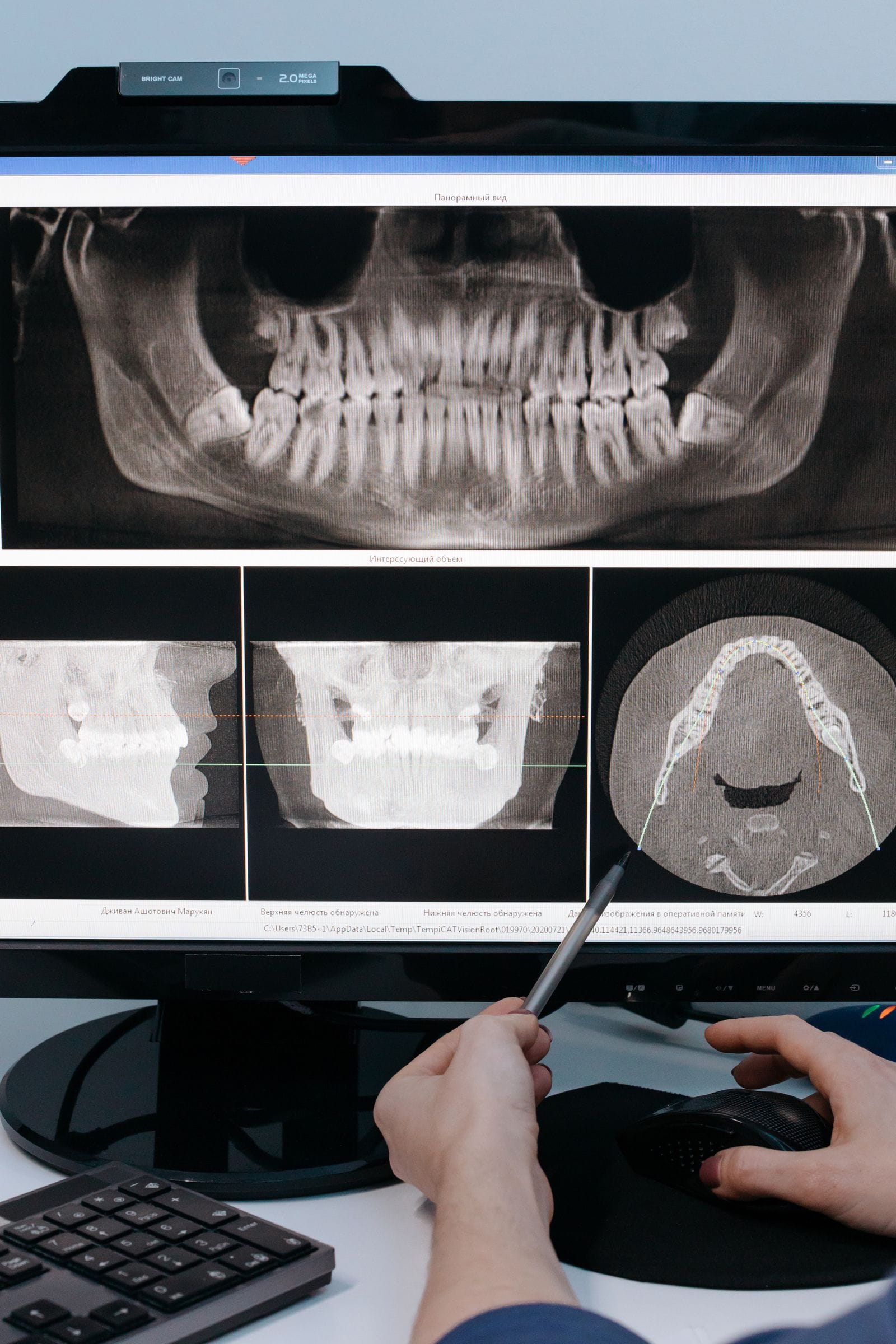
We examine the tooth, take an X-ray and go through your medical history.
- 2
Numb the area
A local anaesthetic numbs the tooth and the area around it.
- 3
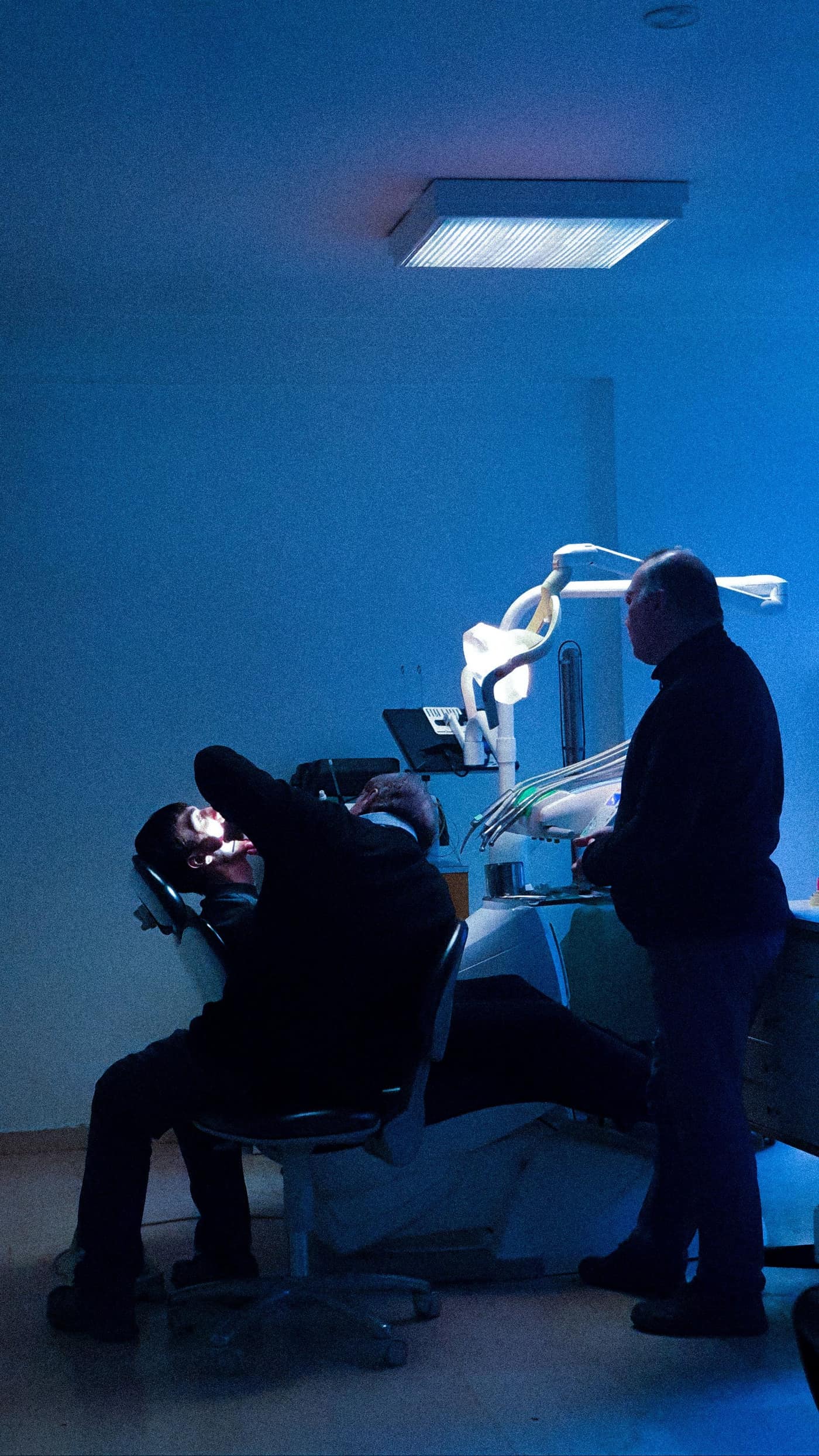
Remove the tooth
The tooth is gently loosened and removed.
- 4
Protect the socket
You bite on gauze so a blood clot can form, and we give you aftercare advice.
Will it hurt?
You'll feel pressure during the extraction, but it shouldn't be sharp or painful. Some soreness and swelling for a few days is normal, and your dentist will advise you on pain relief.
After your treatment
- Bite on the gauze as instructed, and don't rinse your mouth for the first 24 hours
- Avoid smoking, spitting forcefully or using a straw
- Eat soft food, and chew on the other side while it heals
This page is general information and isn't a diagnosis. Your dentist will advise you on what's right for your teeth.