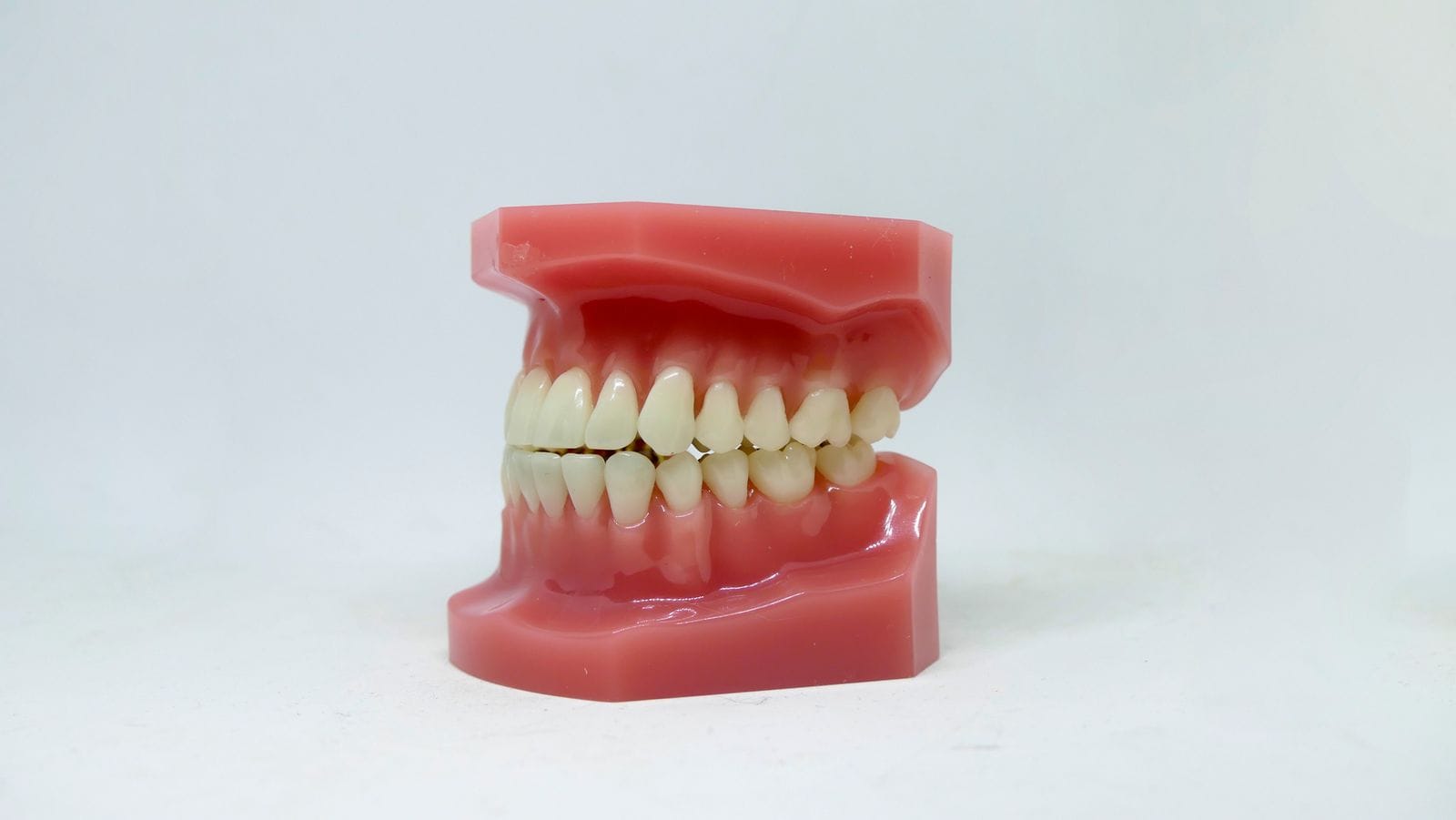
Dental Bridges explained
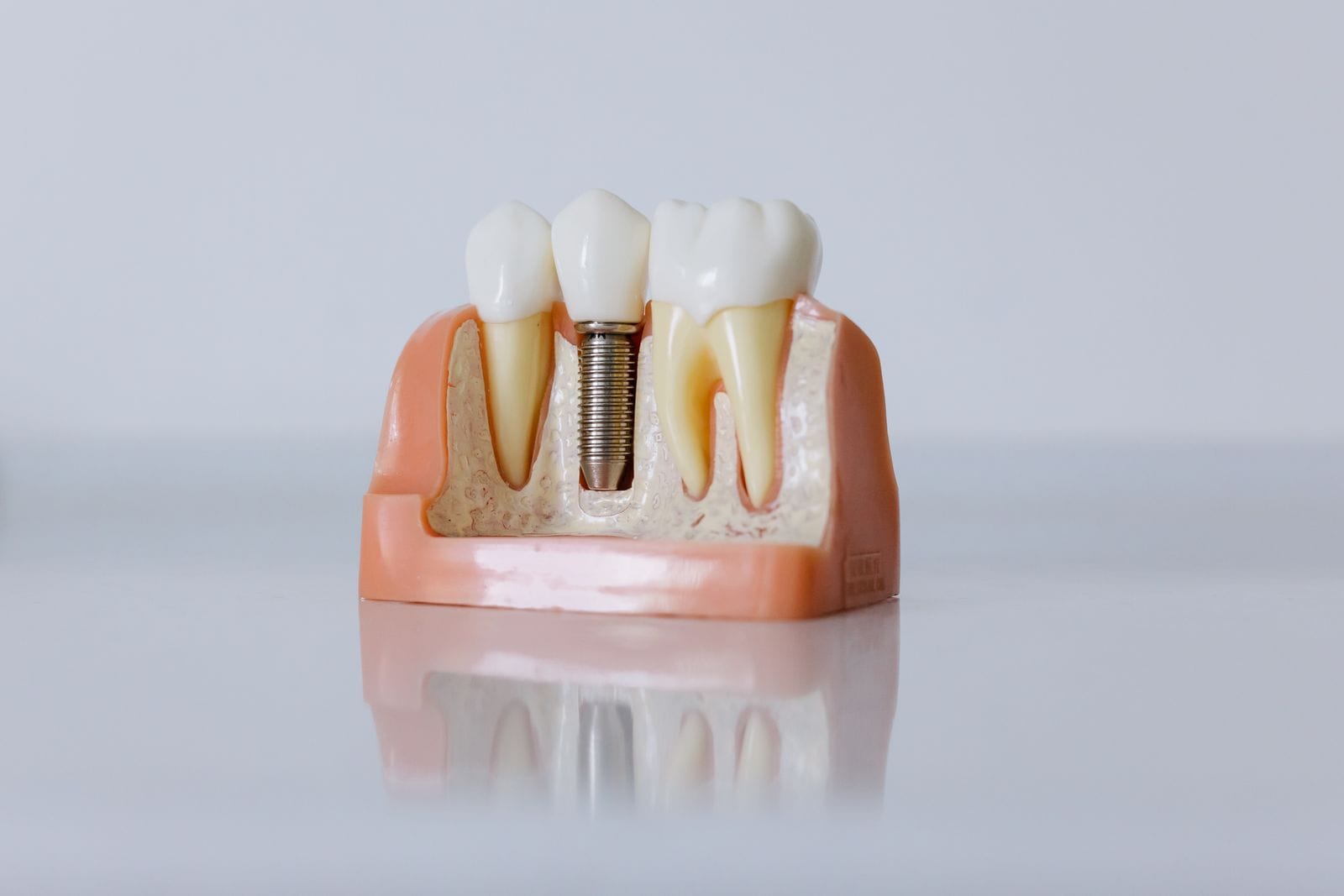
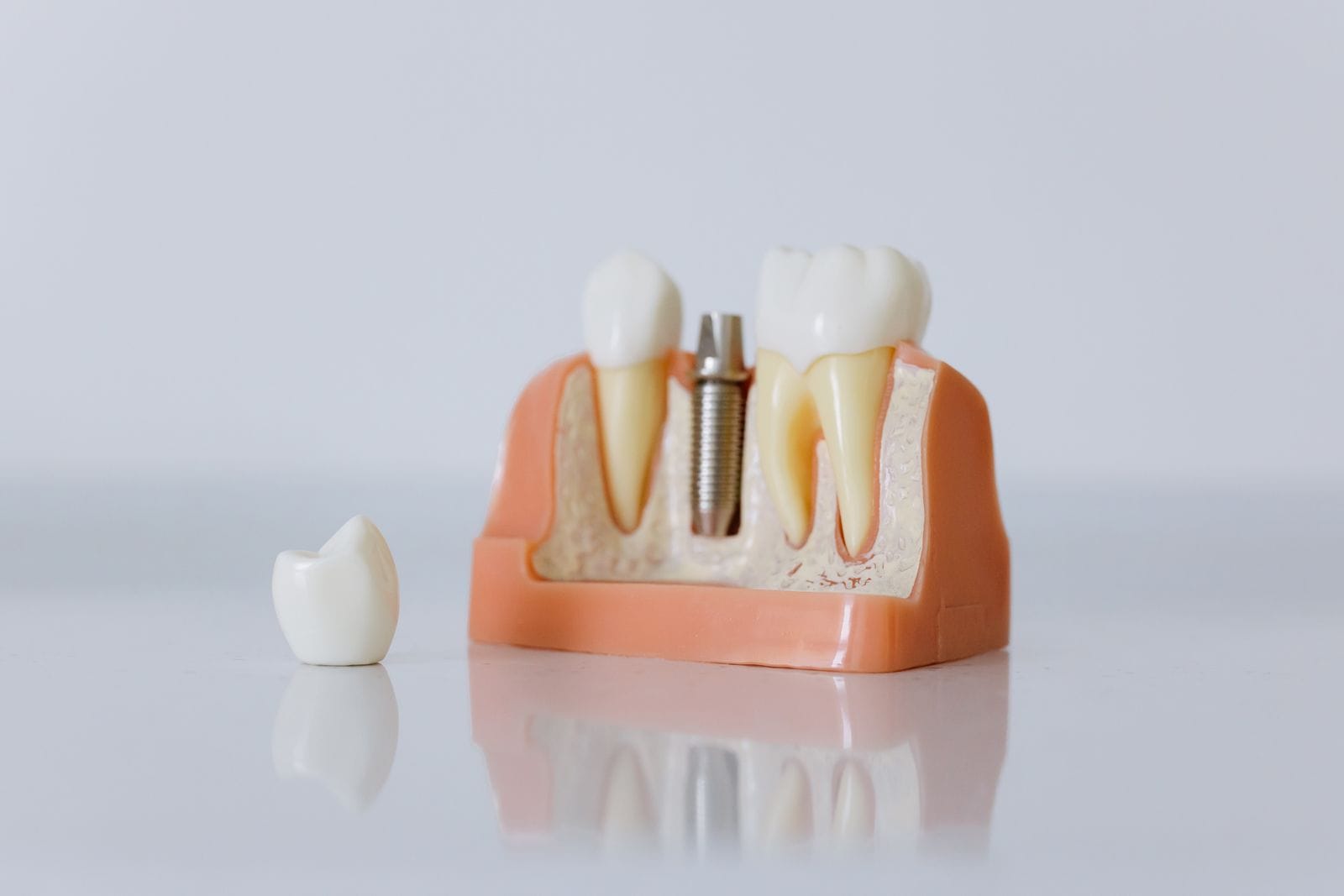
A dental bridge replaces one or more missing teeth with an artificial tooth, called a pontic. It's held in place by crowns fitted over the healthy teeth on either side of the gap.
Because it's cemented in place, a bridge doesn't come out like a denture. It can be a good choice when the neighbouring teeth already need crowns, or when an implant isn't suitable.
Benefits
- Fills the gap in your smile
- Stops nearby teeth from drifting
- Helps restore chewing and speech
- Stays fixed in place
When it may help
- A gap from one or more missing teeth
- Teeth tilting towards a gap
- Difficulty chewing on one side
- You'd prefer a fixed option over a denture
What happens during treatment
- 1
Plan
We check the teeth beside the gap and discuss your options.
- 2
Prepare
The supporting teeth are shaped so the crowns can fit over them.
- 3
Measure
We take impressions, and a temporary bridge protects your teeth meanwhile.
- 4
Fit
The final bridge is tried in, adjusted and cemented.
Will it hurt?
The teeth are numbed before they're prepared, so you should feel little during the procedure. They may feel sensitive to hot and cold for a short while afterwards.
After your treatment
- Clean under the bridge daily with a floss threader or interdental brush
- Avoid biting very hard foods on the bridge
- Attend regular check-ups so the supporting teeth stay healthy
This page is general information and isn't a diagnosis. Your dentist will advise you on what's right for your teeth.