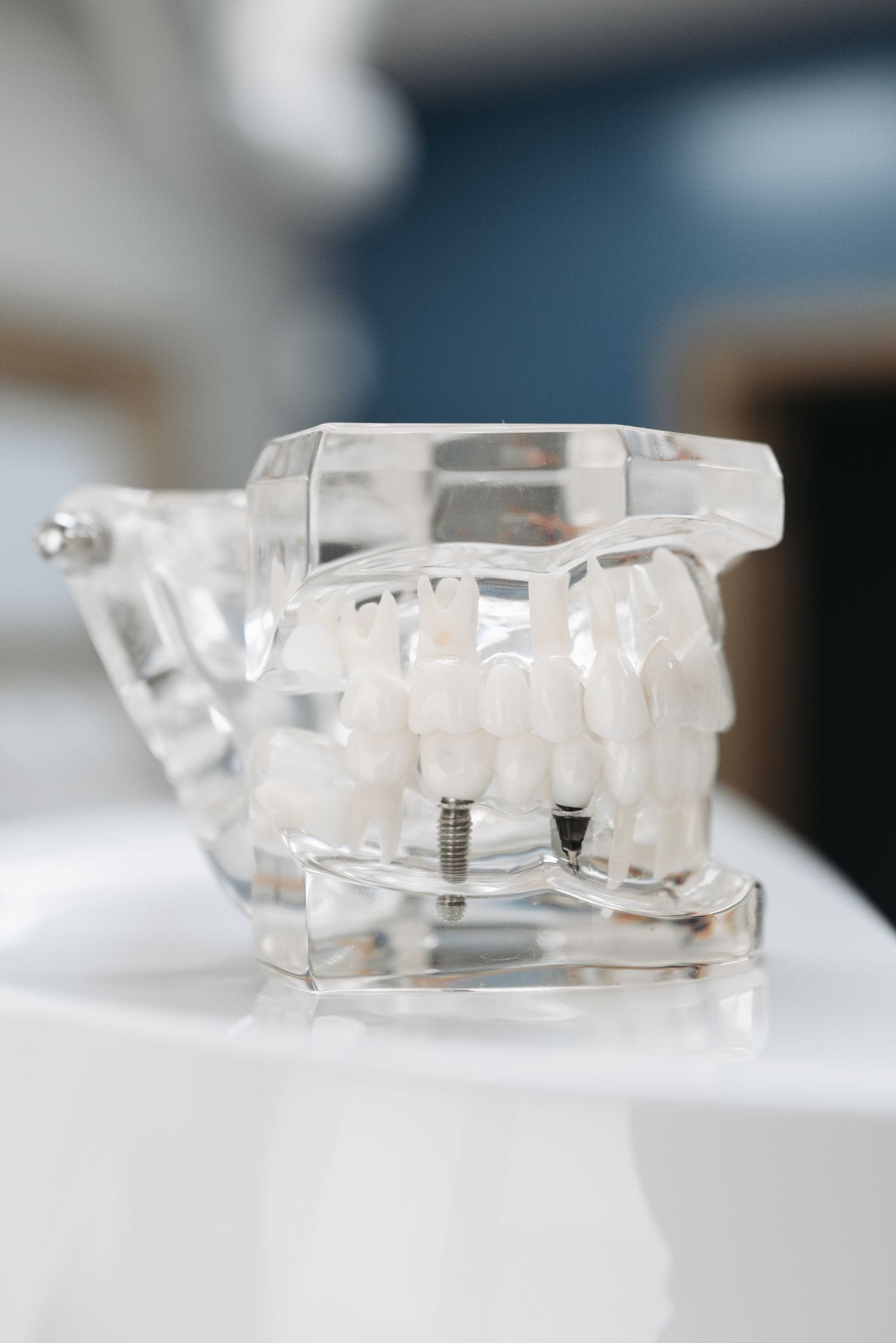
Full Mouth Dental Implants explained
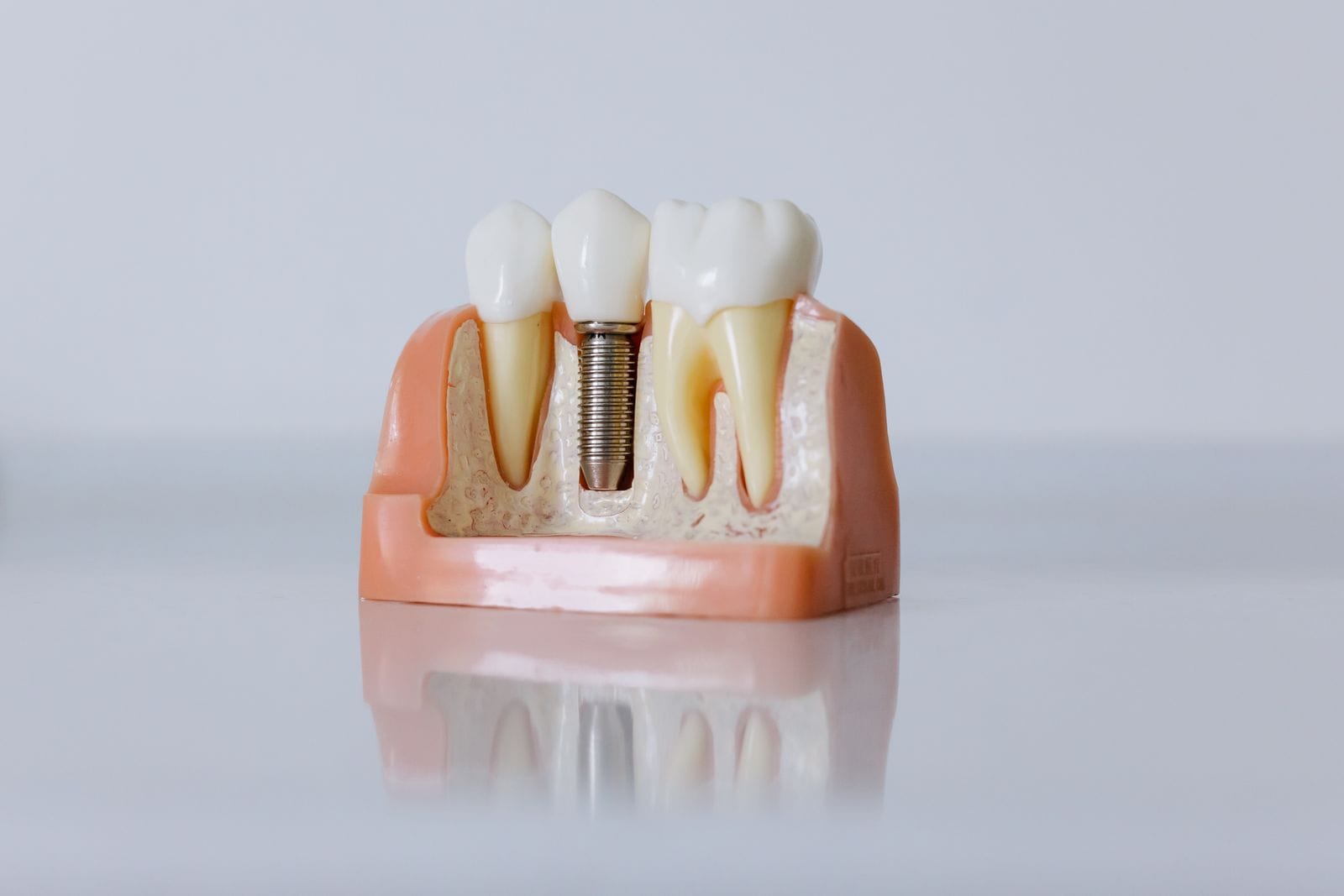
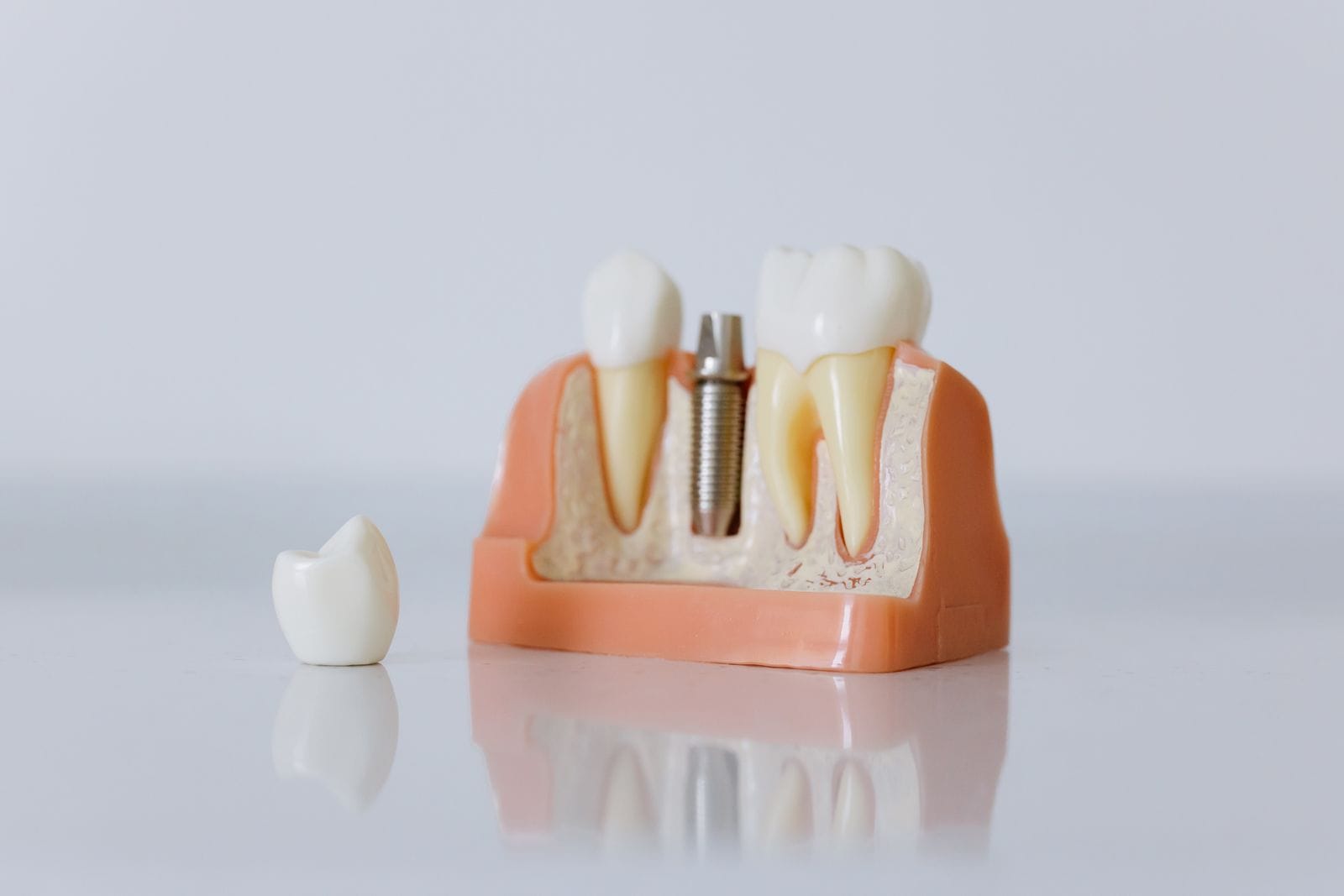
When most or all of the teeth in a jaw are missing, it isn't necessary to replace each tooth with its own implant. A small number of carefully placed implants can support a complete set of teeth.
The replacement teeth are fixed to the implants, so they stay in place when you eat and speak. This differs from a removable denture, which rests on the gums.
Benefits
- Replaces a full set of teeth
- Stays in place without adhesive
- Helps restore chewing and speech
- Supports the lips and cheeks, which can sink when teeth are lost
When it may help
- Most of your teeth are missing or failing
- Dentures that slip or feel uncomfortable
- Trouble eating foods you enjoy
- Advanced tooth loss that affects your confidence
What happens during treatment
- 1
Detailed planning
We use scans and records to plan where each implant should go.
- 2
Prepare the mouth
Any teeth that can't be saved are removed, and the implants are placed.
- 3
Temporary teeth
Where suitable, temporary teeth are fitted while the bone heals.
- 4
Final teeth
Your final set is made, fitted and adjusted so your bite feels right.
Will it hurt?
This is a bigger procedure, and it's carried out under anaesthesia suited to your case. Swelling and discomfort for several days are expected. Your dentist will explain what to expect and how to manage it.
After your treatment
- Stick to the soft diet your dentist recommends during healing
- Clean around the implants and under the teeth every day
- Attend regular reviews so the implants and bite can be checked
This page is general information and isn't a diagnosis. Your dentist will advise you on what's right for your teeth.