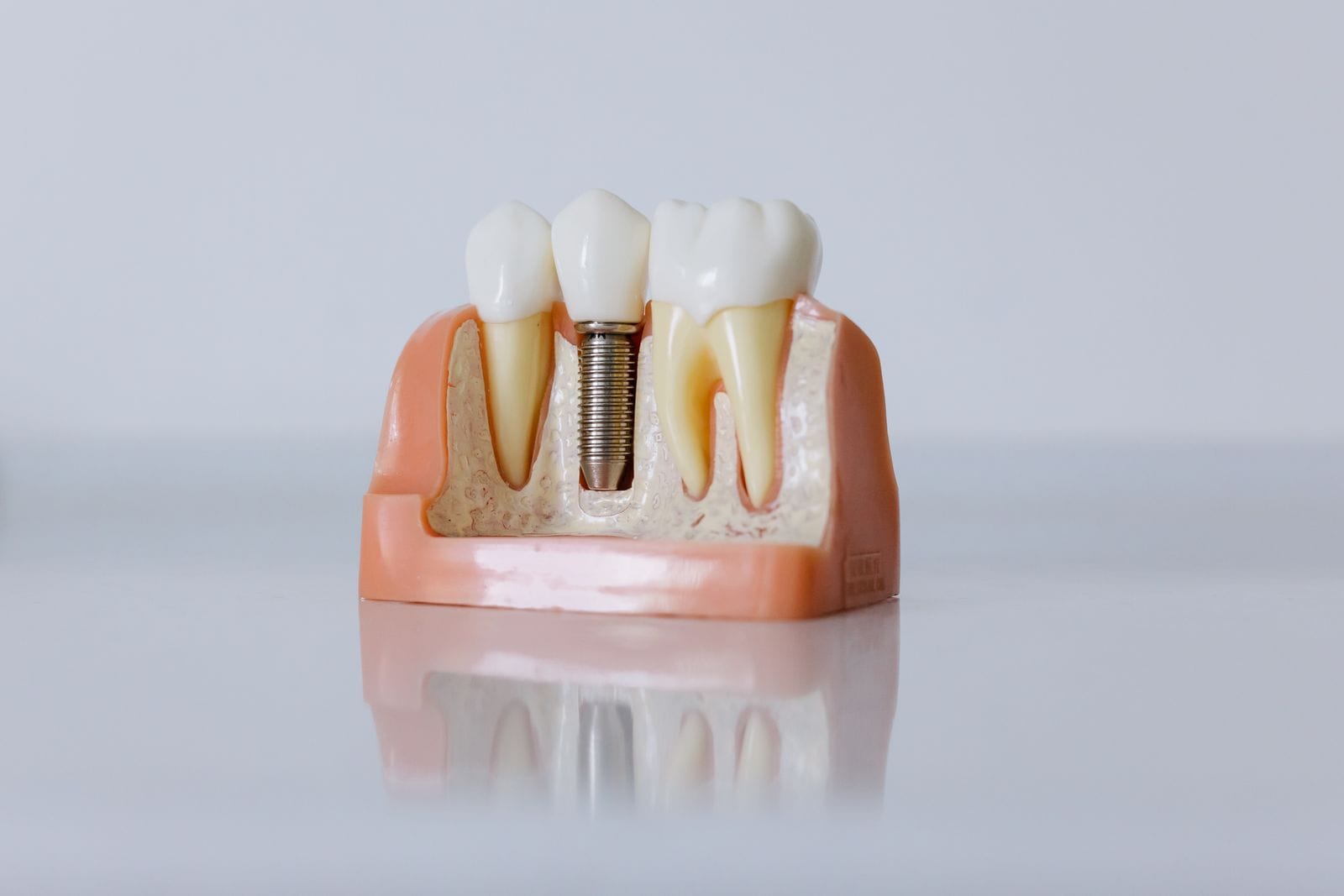
Dental Implants explained
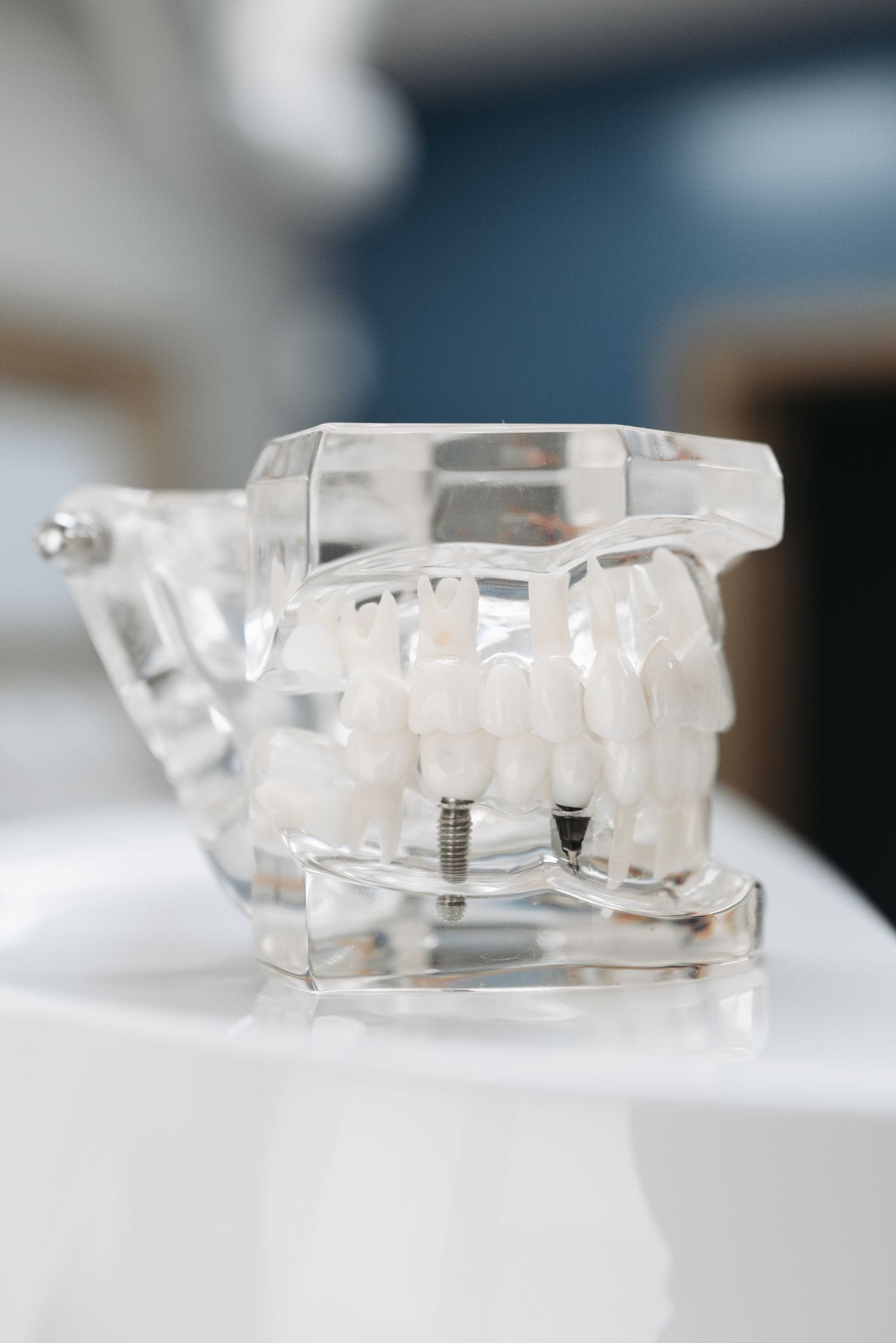
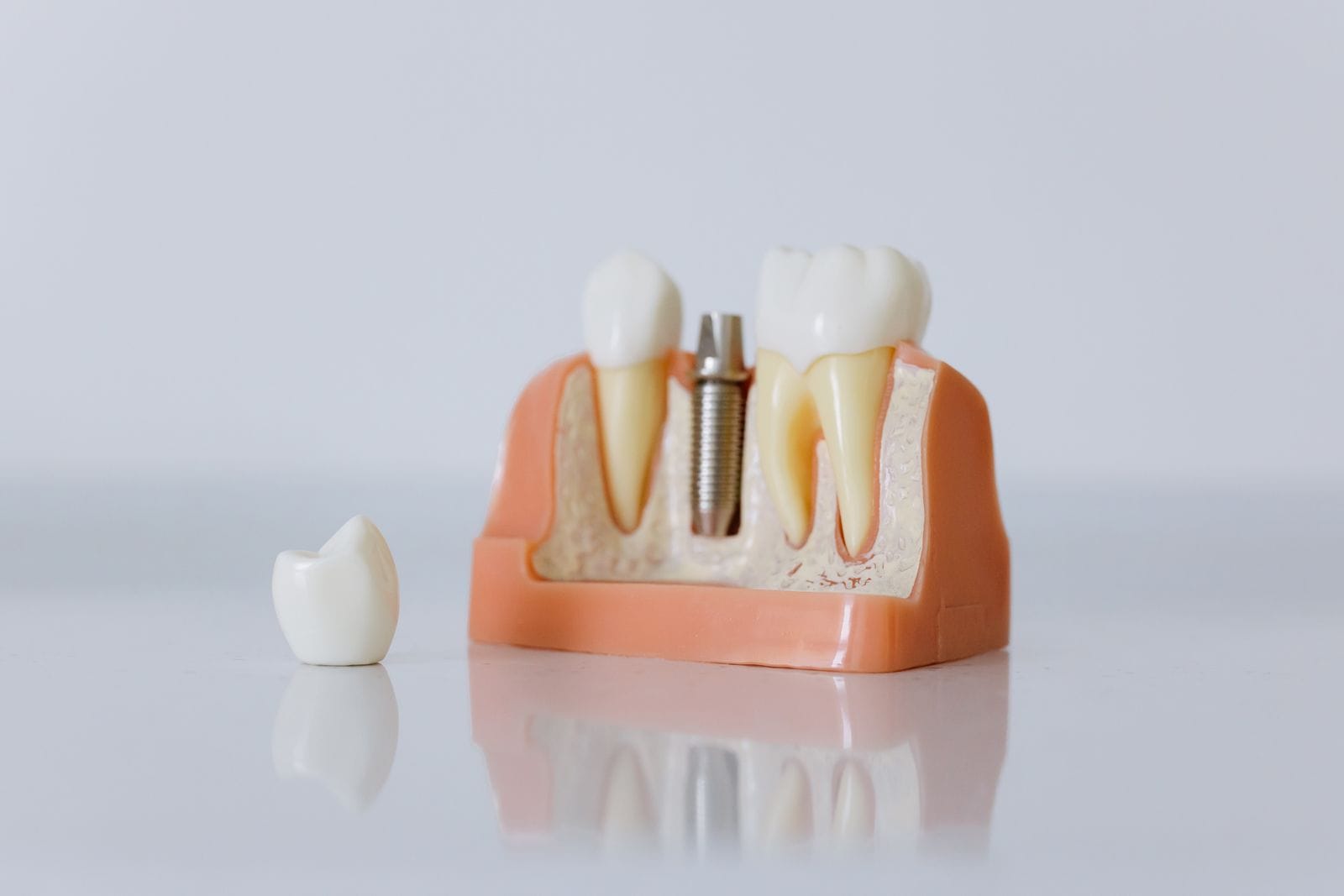
A dental implant is a small titanium post placed in the jawbone, where the root of the tooth used to be. Over a few months, the bone bonds to the post and holds it firmly.
A connector and a custom-made crown are then fitted on top. The result looks and works much like a natural tooth, and the teeth on either side don't need to be trimmed.
Benefits
- Replaces both the root and the visible tooth
- Doesn't rely on the teeth next to the gap
- Helps maintain the bone in your jaw
- Lets you chew with confidence
When it may help
- One or more missing teeth
- A tooth that can't be saved and needs removal
- A bridge or denture you find uncomfortable
- Difficulty chewing because of gaps
What happens during treatment
- 1
Assess and plan
We examine your mouth and use X-rays or a 3D scan to check the bone.
- 2
Place the implant
The implant is placed in the jaw under local anaesthetic.
- 3
Allow healing
The bone bonds with the implant, usually over a few months.
- 4
Fit the crown
A custom crown is attached and your bite is checked.
Will it hurt?
Implant placement is done under local anaesthetic, so you shouldn't feel pain during the procedure. Some swelling and soreness for a few days is normal, and your dentist will advise you on pain relief.
After your treatment
- Follow your dentist's advice on food and cleaning while the area heals
- Brush and clean around the implant every day
- Avoid smoking, as it can affect healing
This page is general information and isn't a diagnosis. Your dentist will advise you on what's right for your teeth.