Gum Treatment explained
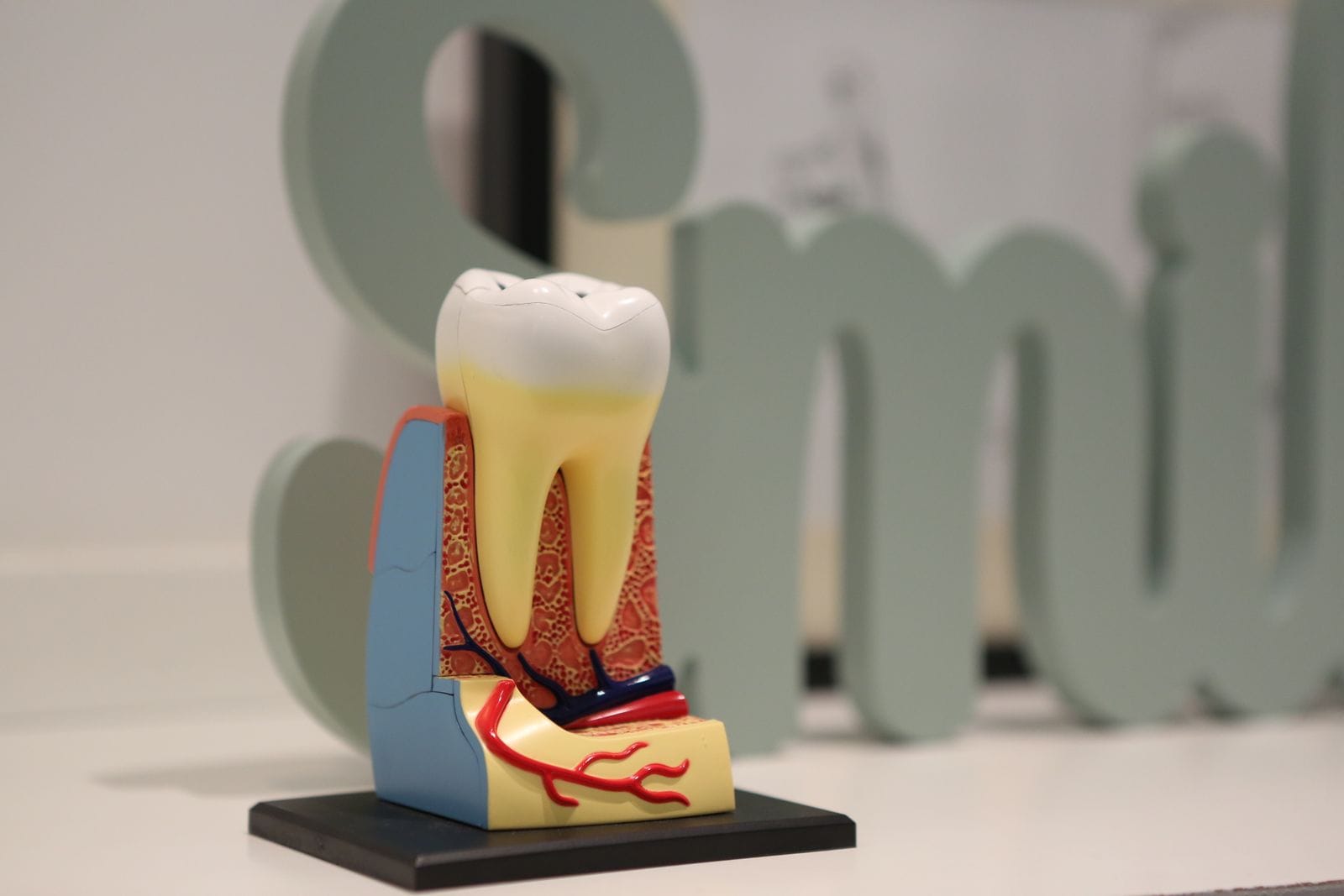
Gum disease starts when plaque builds up along the gum line. The early stage, gingivitis, makes gums red and likely to bleed. Without treatment it can progress to periodontitis, where the bone supporting the teeth slowly breaks down.
Treatment depends on the stage. It often begins with a deep clean below the gum line to remove plaque and tartar, followed by regular reviews to keep the gums stable.
Benefits
- Reduces bleeding and swelling
- Helps protect the bone around your teeth
- Lowers the risk of loose teeth
- Can improve bad breath caused by gum problems
When it may help
- Gums that bleed when you brush or floss
- Red, puffy or tender gums
- Bad breath that doesn't go away
- Gums pulling back, or teeth that feel loose
What happens during treatment
- 1
Check your gums
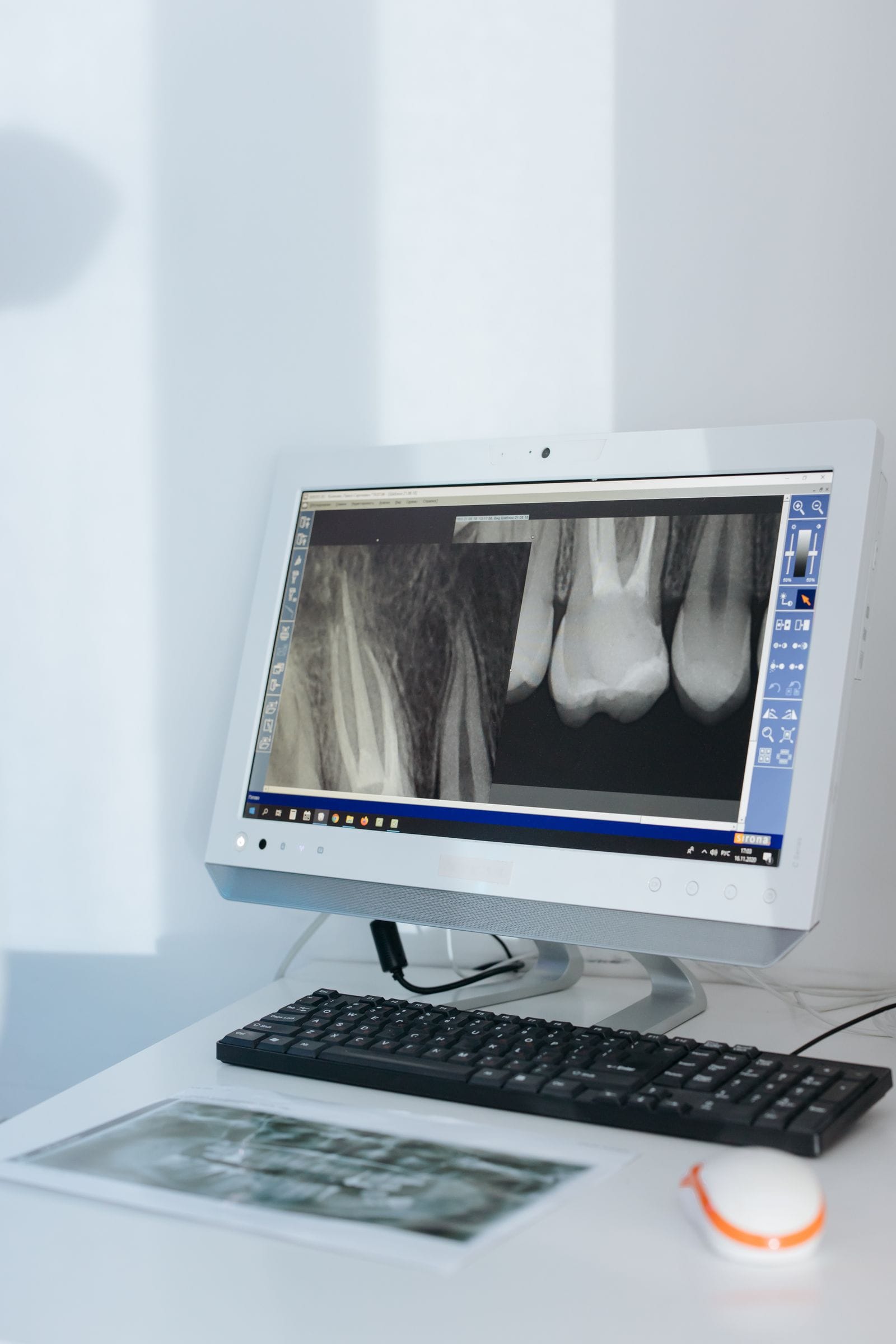
We measure the pockets around your teeth and use X-rays to look at the bone.
- 2
Deep clean
Plaque and tartar are removed from above and below the gum line.
- 3
Improve home care
We show you the brushing and cleaning methods that suit your teeth.
- 4
Review
We recheck your gums and set a schedule for maintenance visits.
Will it hurt?
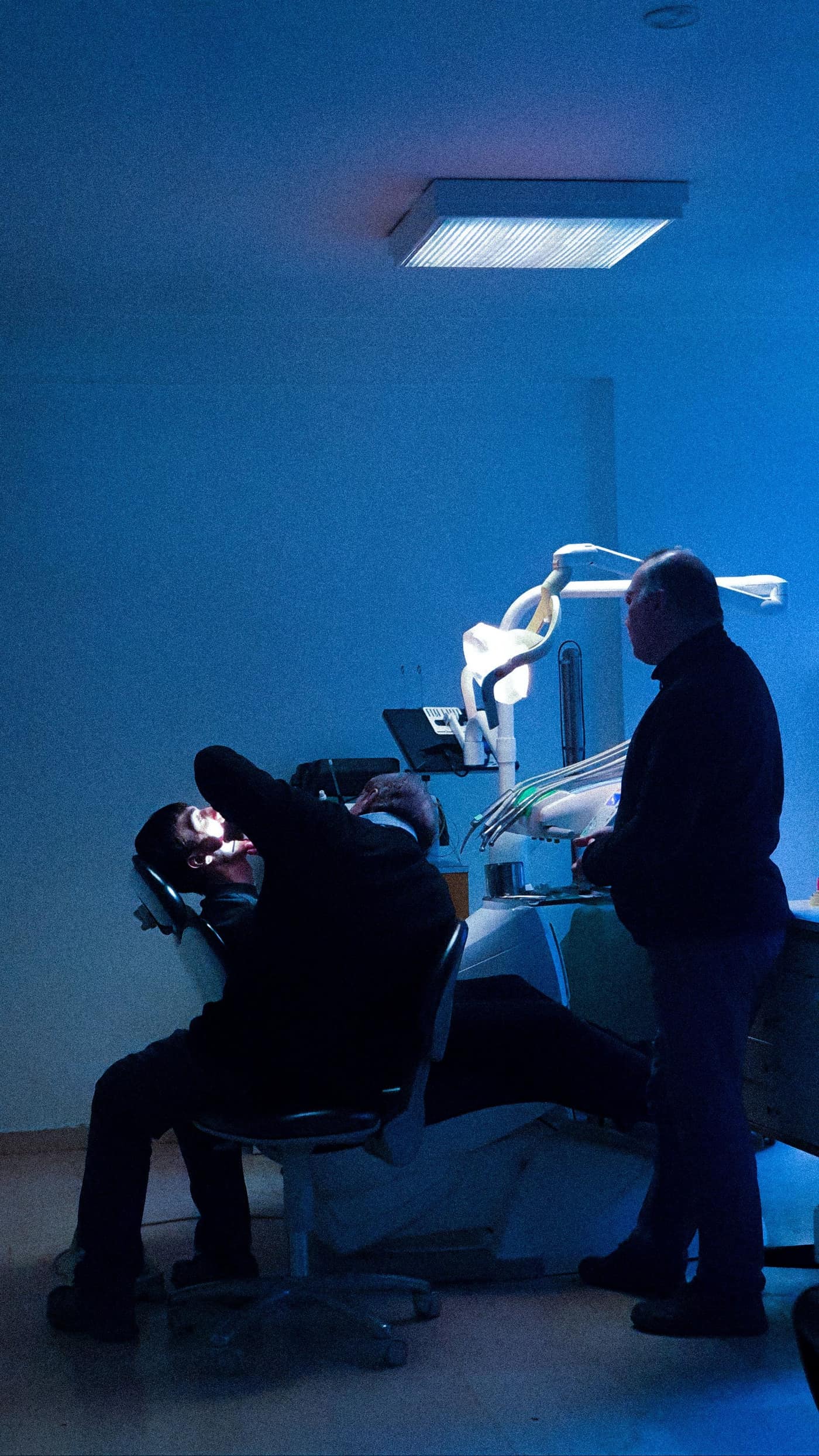
A deep clean can be done under local anaesthetic if your gums are tender. You may notice some sensitivity or soreness for a few days, which usually settles on its own.
After your treatment
- Brush gently twice a day with a soft toothbrush
- Clean between your teeth every day
- Keep your review appointments, as gum disease can return
This page is general information and isn't a diagnosis. Your dentist will advise you on what's right for your teeth.