Root Canal Treatment explained
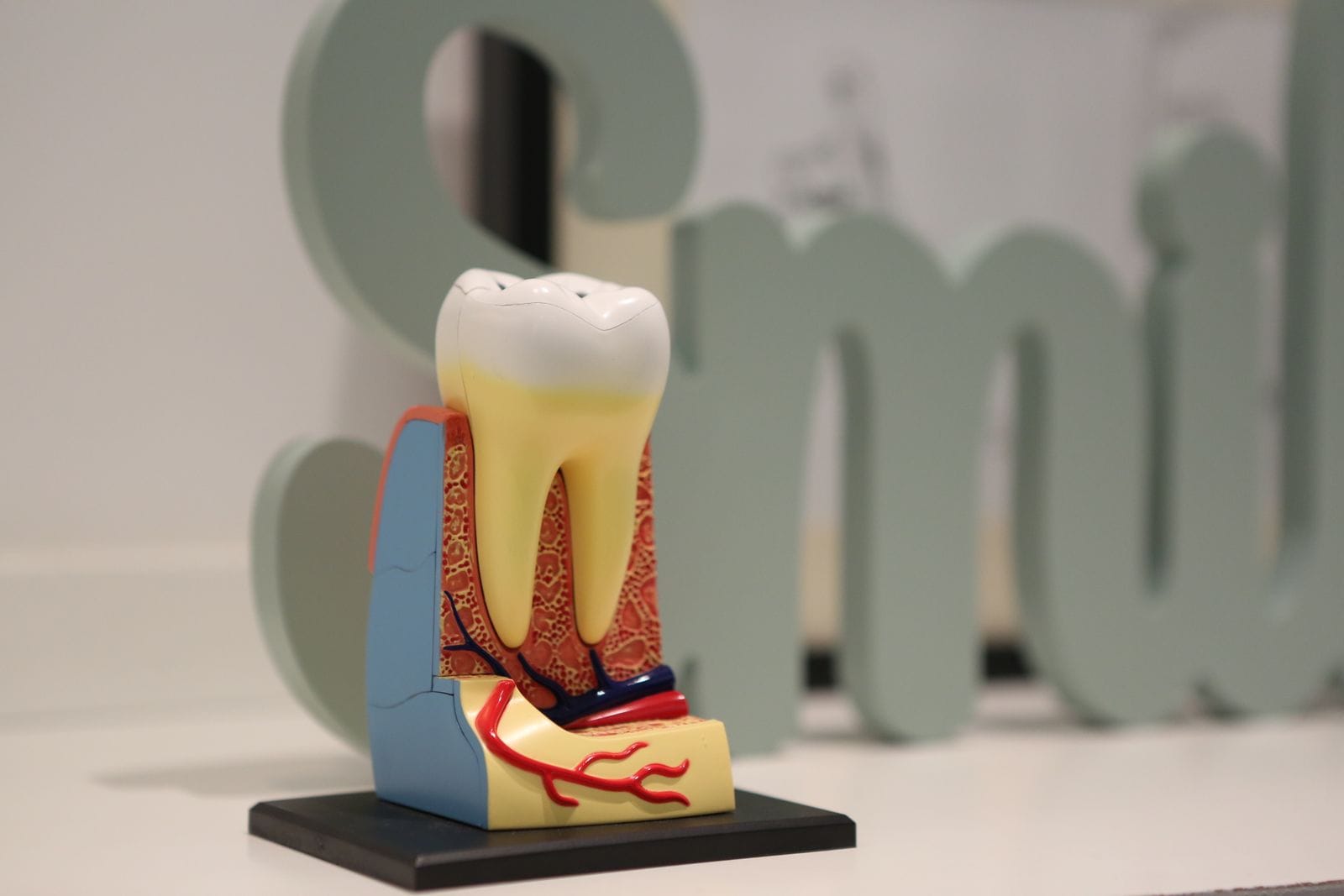
Inside every tooth is soft tissue called the pulp, which holds nerves and blood vessels. Deep decay, a crack or an injury can let bacteria reach it, causing infection and pain.
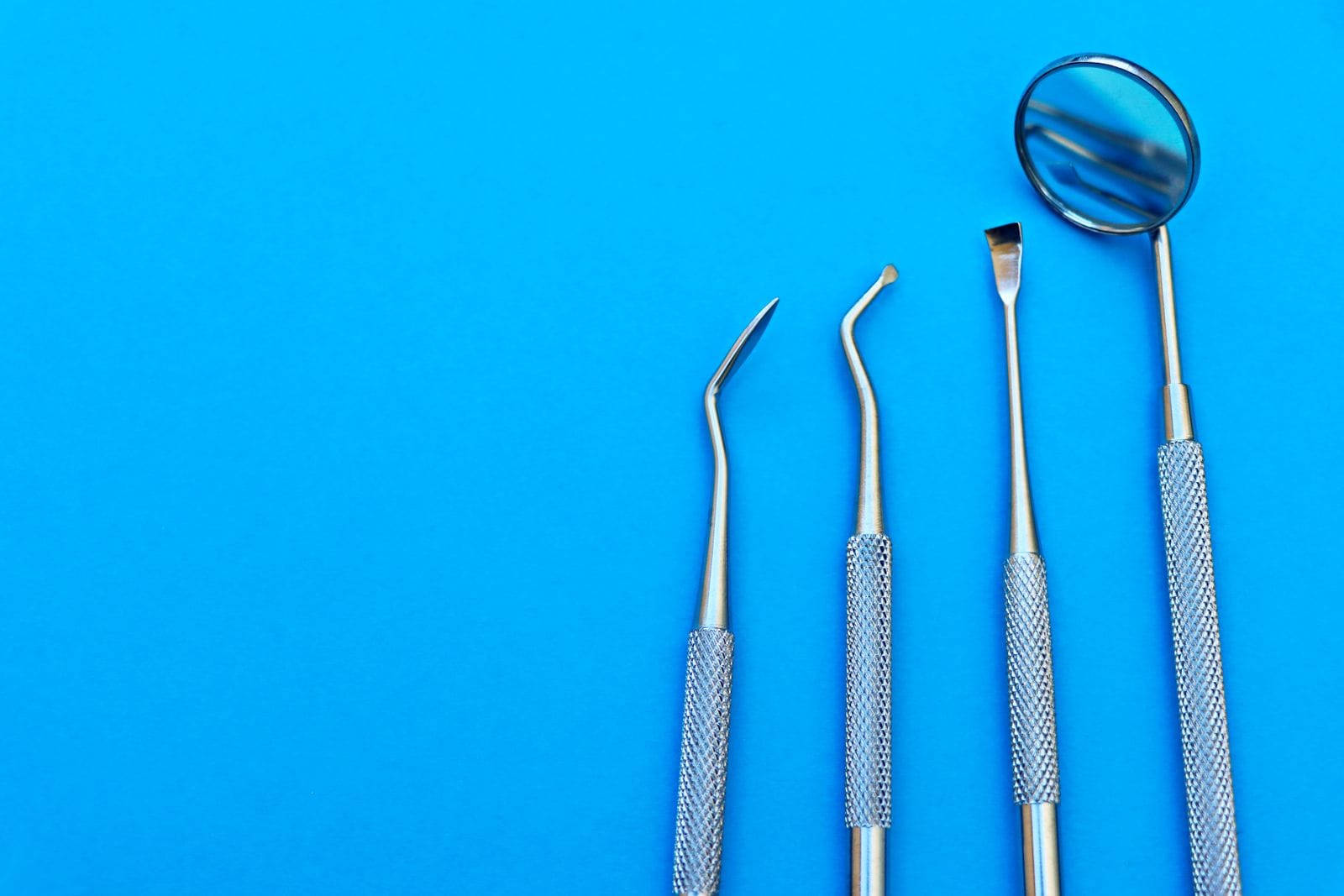
Root canal treatment removes the infected pulp, cleans and shapes the narrow canals inside the roots, and seals them. The tooth is then protected with a filling or a crown.
Benefits
- Saves your natural tooth
- Relieves the pain caused by infection
- Stops infection from spreading to the bone
- Lets you chew normally once the tooth is restored
When it may help
- Pain that lingers after hot or cold food
- A sharp ache when you bite down
- A swollen gum or a pimple-like bump near a tooth
- A tooth that has darkened in colour
What happens during treatment
- 1
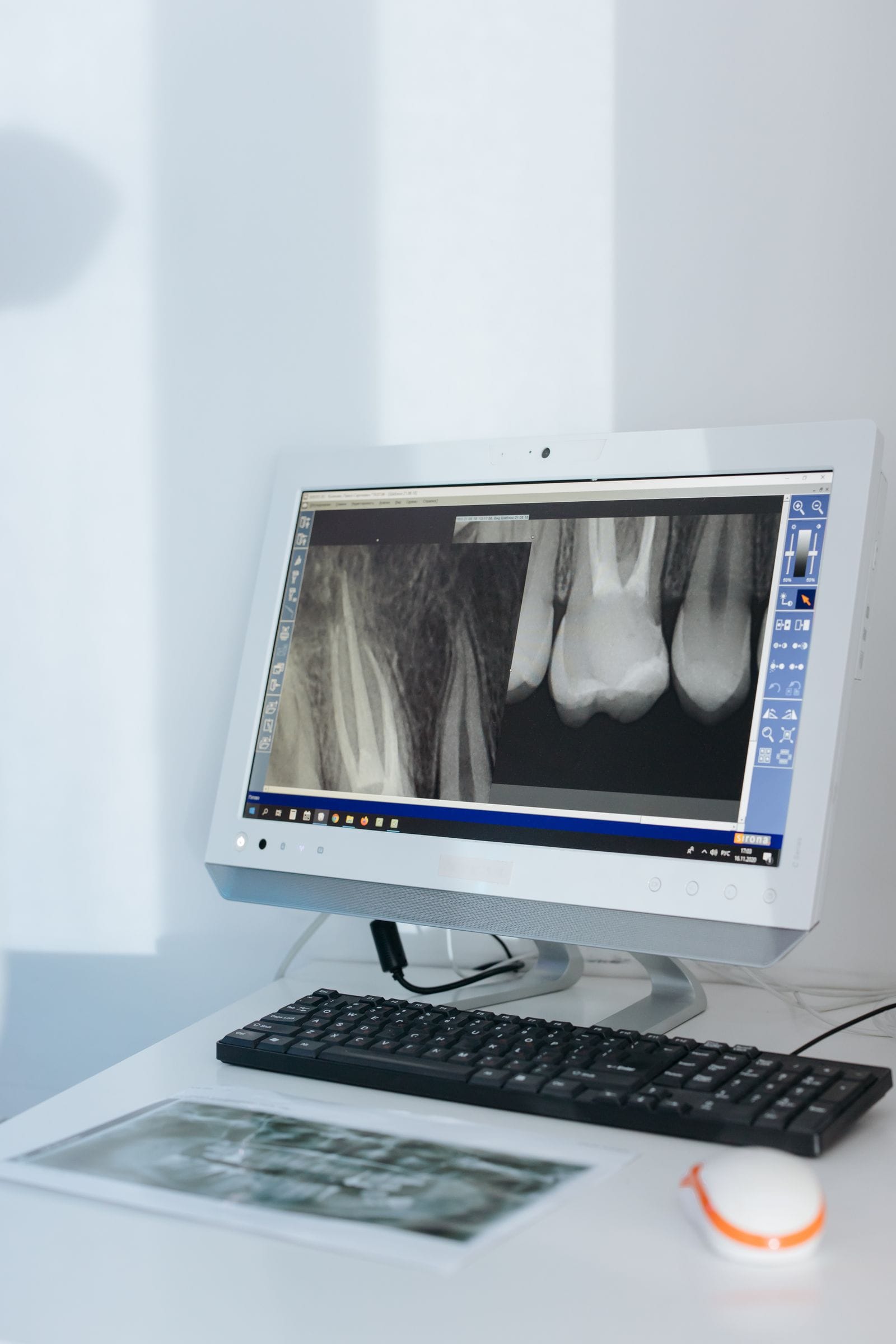
Examine and X-ray
We check the tooth and take an X-ray to see the roots and how far the infection has spread.
- 2
Numb the area
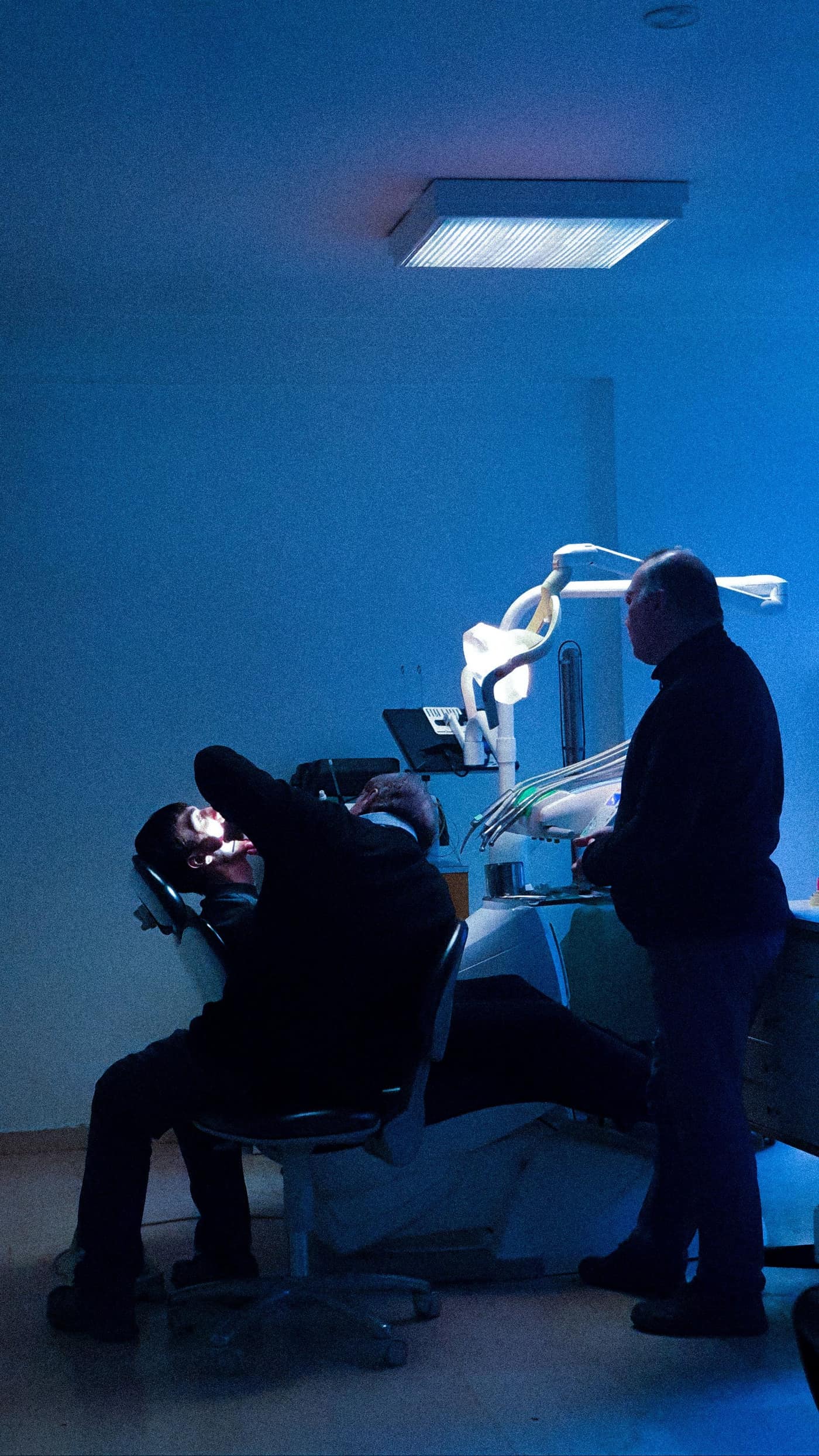
A local anaesthetic numbs the tooth and the gum around it.
- 3
Clean and seal
The infected pulp is removed, and the canals are cleaned, shaped and sealed.
- 4
Restore the tooth
A filling or crown protects the tooth so it can take normal chewing again.
Will it hurt?
The treatment is done under local anaesthetic, so you should feel pressure rather than sharp pain. It's common for the tooth to feel tender for a few days afterwards, and this usually eases with the pain relief your dentist suggests.
After your treatment
- Avoid chewing on the tooth until the final filling or crown is in place
- Keep brushing and flossing as normal
- Come back for the final restoration, because a temporary filling won't protect the tooth for long
This page is general information and isn't a diagnosis. Your dentist will advise you on what's right for your teeth.