Teeth Cleaning explained
Plaque that isn't removed hardens into tartar, which brushing alone can't shift. Tartar irritates the gums and makes it harder to keep your teeth clean.
A professional cleaning, also called scaling and polishing, removes this build-up and smooths the tooth surface. It's one of the simplest ways to prevent gum problems.
Benefits
- Removes hardened tartar
- Helps keep gums healthy
- Lifts surface stains from food, tea and tobacco
- Leaves your mouth feeling fresher
When it may help
- Yellow or brown build-up near the gum line
- Gums that bleed when you brush
- Bad breath
- It's been more than six months since your last cleaning
What happens during treatment
- 1
Quick check
We look at your teeth and gums to see where the build-up is.
- 2
Scaling
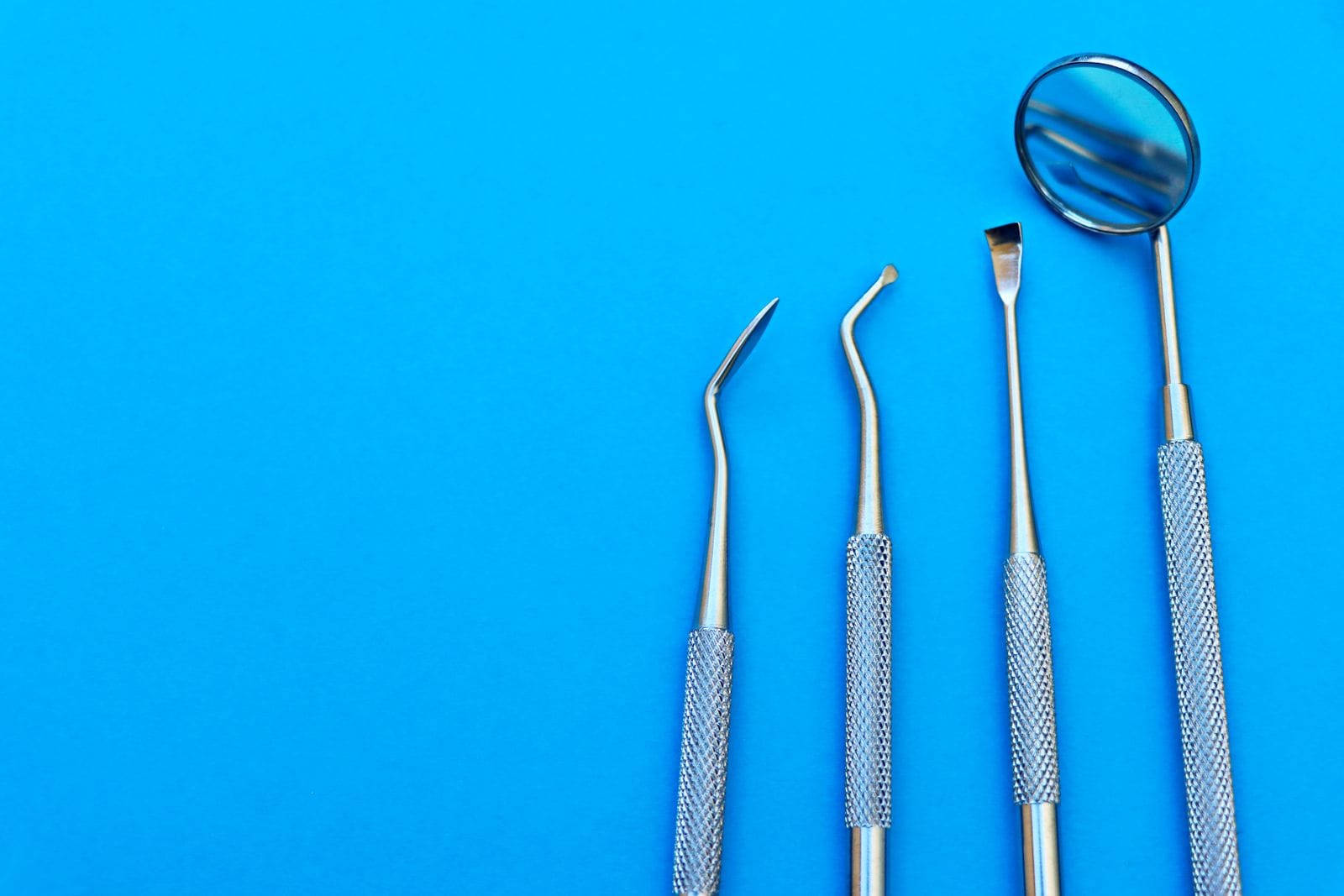
An ultrasonic scaler and hand instruments gently remove plaque and tartar.
- 3
Polishing
A polishing paste smooths the teeth and lifts surface stains.
- 4
Advice
We suggest ways to keep your teeth clean at home and when to come back.
Will it hurt?
Most people find a cleaning comfortable. You may feel some vibration or sensitivity, especially if your gums are inflamed. Tell us if anything feels uncomfortable and we can slow down.
After your treatment
- Your teeth may feel a little sensitive for a day or two
- Keep brushing twice a day and clean between your teeth
- Book your next cleaning as your dentist suggests
This page is general information and isn't a diagnosis. Your dentist will advise you on what's right for your teeth.